Compare Local Contractors for Residential Brick Installation Projects
Compare local contractors to define your project scope, verify experience, and set clear expectations for successful residential brick installation.
Residential brick installation projects typically encompass a range of tasks, including laying new brickwork for exterior walls, patios, walkways, or decorative features. Contractors may handle everything from preparing the foundation and selecting appropriate materials to executing precise bricklaying techniques that ensure durability and aesthetic appeal. Understanding the scope of work involved helps property owners communicate their needs clearly and ensures that the project covers all necessary elements, whether it’s matching existing brickwork or creating custom designs.
Defining the scope of a brick installation project is essential for establishing clear expectations and avoiding misunderstandings. A well-outlined scope specifies the extent of the work, materials to be used, and the desired outcome. This clarity allows property owners to evaluate potential service providers more effectively, ensuring that contractors have the experience and skills needed to handle the specific requirements of the job. Having a detailed scope also facilitates accurate comparisons between local contractors and helps in identifying those who are best equipped to deliver quality results.
When comparing local contractors for residential brick installation, property owners should consider factors such as experience with similar projects, reputation within the community, and the scope of services offered. It’s beneficial to review how contractors have handled past work, ask for references or examples of completed projects, and verify that their capabilities align with the specific needs of the property. Additionally, obtaining detailed written proposals that outline the scope, materials, and expectations can help in making informed decisions and selecting a service provider capable of delivering reliable results.
Compare local contractors by outlining project priorities, verifying experience, and setting clear expectations in writing.
- Compare Contractor Experience - Review the background and project history of local contractors to assess their expertise in residential brick installation.
- Define Project Scope Clearly - Establish detailed work expectations and specifications in writing to ensure mutual understanding.
- Verify Credentials and References - Check references and verify experience to confirm the reliability of service providers.
- Request Written Agreements - Obtain detailed written agreements outlining work scope, materials, and responsibilities before starting.
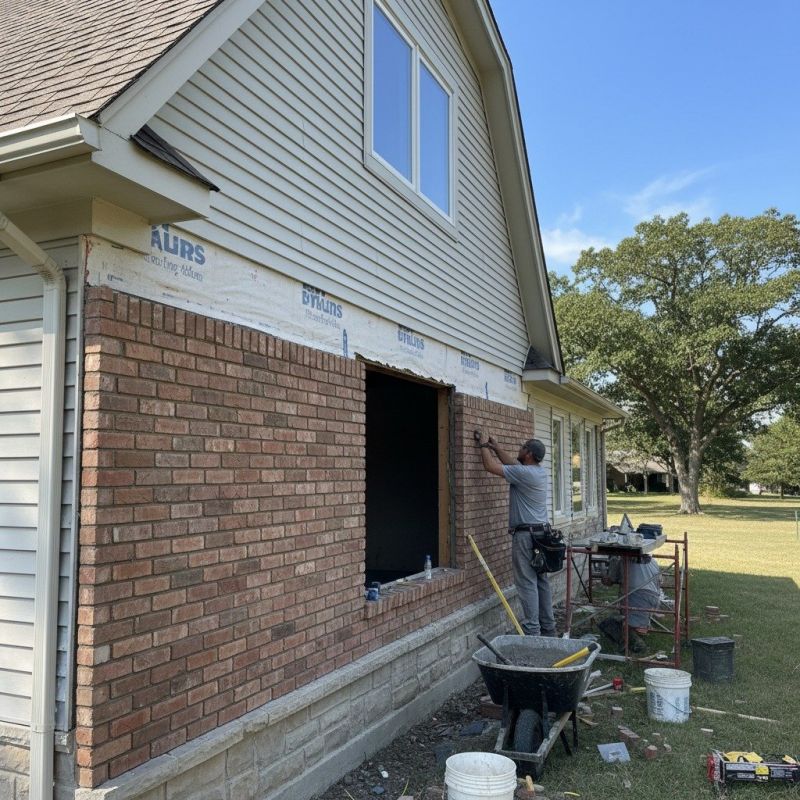
Clearly describe your residential brick project to effectively compare local contractors, verify experience, and set expectations in writing.
- Verify the contractor’s experience with residential brick installation projects similar in scope and style. - Ensure the service providers clearly define the scope of work and project expectations in writing.
- Check references or reviews to assess the quality of previous brick installation work performed by local contractors. - Confirm that the contractors follow proper bricklaying techniques and industry standards.
- Assess the contractor’s ability to provide detailed written estimates that outline materials, labor, and project specifics. - Make sure the scope of work and responsibilities are clearly documented before starting the project.
- Compare multiple local contractors to evaluate their communication, professionalism, and clarity in explaining the process. - Look for consistency in how they describe their approach and address questions.
- Confirm that the contractor has appropriate insurance coverage to protect against potential damages or liabilities. - Verify that all project details, including materials and finish expectations, are documented in a contract.
- Discuss the project timeline, including start and completion dates, and ensure these are agreed upon in writing before work begins. - Clear documentation helps set realistic expectations and avoid misunderstandings.
Compare local contractors' experience and clarify project scope to ensure successful brick installation.


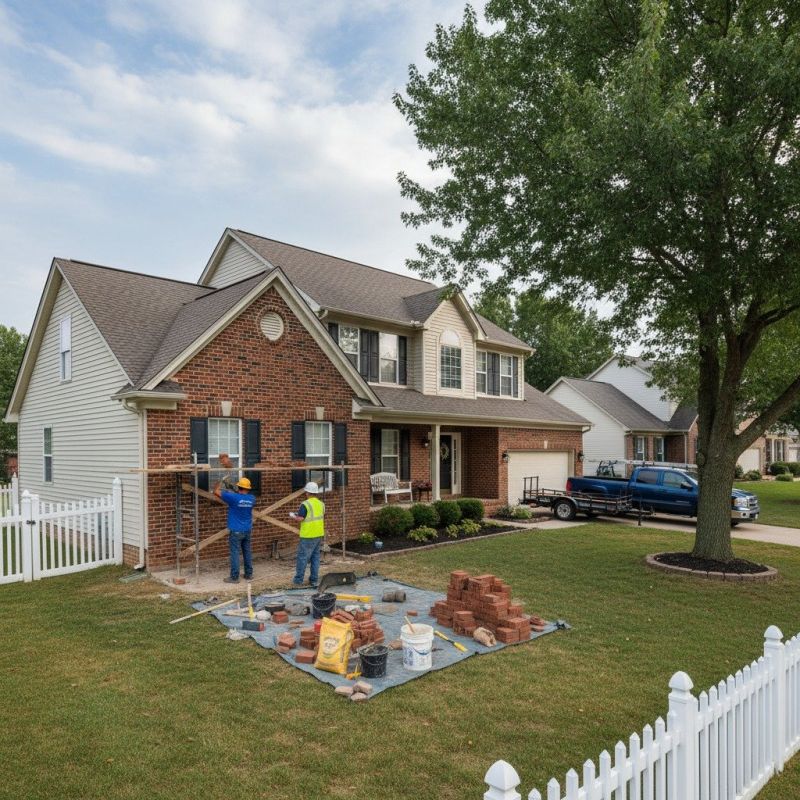

This section helps you compare local contractors, define project scope, verify experience, and set clear expectations in writing.
- Scope Definition - Clearly outline the specific brick installation tasks required, including surface preparation, brick types, and finishing details.
- Experience Verification - Confirm that local contractors have relevant experience in residential brick installation projects of similar scope.
- Material Specifications - Specify the types, colors, and quality standards of bricks and mortar to be used in the project.
- Project Expectations - Document the desired outcome, including appearance, durability, and any special design considerations.
- Written Agreement - Ensure all project details, responsibilities, and scope are documented in a formal contract or scope of work.
When evaluating contractors for residential brick installation, it’s important to consider their experience with similar projects. Homeowners should inquire about the types of brickwork the service providers have completed, including details about the size, complexity, and style of previous installations. Contractors with a proven track record in residential settings are more likely to understand the nuances of working within a home environment, ensuring that the project aligns with expectations and blends seamlessly with existing structures.
A clear, written scope of work helps establish mutual understanding and sets realistic expectations for the project. Homeowners should seek detailed descriptions of the work to be performed, including specific tasks, materials to be used, and any exclusions. This document serves as a reference point throughout the project, reducing the potential for misunderstandings and providing clarity on what the contractor will deliver. A well-defined scope also facilitates smoother communication and helps ensure that all parties are aligned on project objectives.
Verifying the basics of a contractor’s background involves checking references and confirming the consistency of their experience. Homeowners are encouraged to request references from previous clients who had similar residential brick projects and to ask about the contractor’s professionalism, reliability, and quality of work. Additionally, verifying the contractor’s work history can involve reviewing any available portfolios or project descriptions to confirm their expertise in residential brick installation. These steps help establish confidence in the contractor’s ability to handle the specific requirements of the project.
When comparing options, it’s essential to evaluate how well each contractor’s approach aligns with project needs and expectations. Homeowners should consider how thoroughly the scope has been detailed, the extent of experience with similar projects, and the clarity of communication. Asking potential service providers about their process, materials, and problem-solving approaches can provide insight into their professionalism and compatibility. By focusing on these aspects, homeowners can make informed decisions that lead to a successful residential brick installation, connecting with local contractors who best fit the project’s specific requirements.
Ask contractors to provide written scope details to ensure clear expectations and consistent project understanding.
- Experience and Expertise - What specific experience do local contractors have with residential brick installation?
- Scope of Work - How do service providers define and clarify the scope of the brick installation project?
- Materials and Methods - What materials and installation techniques do contractors plan to use, and how do they compare?
- Communication and Expectations - How do local contractors ensure expectations are clearly outlined and documented in writing?
- References and Past Work - Can contractors provide references or examples of previous residential brick projects similar to yours?
What should I consider when comparing contractors for brick installation? It's important to review their experience with residential projects, verify references, and ensure they understand the scope of work to meet expectations.
How can I define the scope of my brick installation project? Clearly outline the areas to be covered, types of bricks, and any specific design preferences to help contractors provide accurate proposals and avoid misunderstandings.
What questions should I ask contractors to assess their experience? Inquire about their previous residential projects, years of experience, and whether they have worked with similar brick styles or materials as your project requires.
Why is it important to get written estimates and agreements? Written documentation helps set clear expectations, defines the work scope, and provides a reference point for any future discussions or clarifications.
How can I verify a contractor’s reputation and reliability? Seek out reviews, ask for references from past clients, and verify their history with local trade organizations or industry associations.
What should be included in a project scope to ensure clarity? The scope should detail the work to be done, materials to be used, project boundaries, and any specific finishes or design elements to prevent misunderstandings.
By exploring different local contractors for residential brick installation, visitors can learn how to clearly define the scope of their project, verify the experience of service providers, and set expectations in writing. This approach helps ensure that expectations are aligned and that the project proceeds smoothly. Using the quote form allows for easy comparison of options, helping to identify the right contractor for specific needs without the pressure of commitments.
Taking the time to compare local service providers enables homeowners to gather relevant information and make informed decisions about their brick installation project. The quote form offers a straightforward way to connect with multiple contractors, helping to evaluate each one’s capabilities and approach. This process supports selecting a contractor who can meet the project’s requirements and provide the desired results.